
Thermocouple
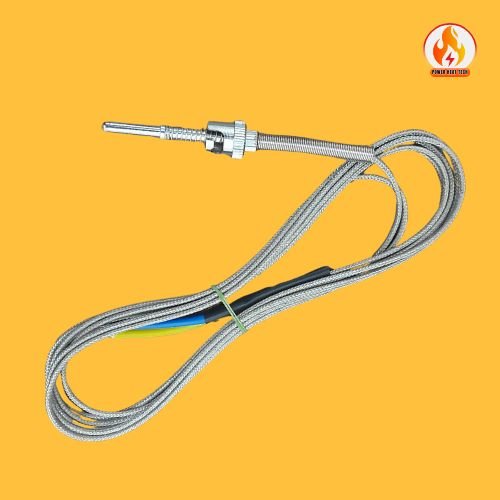
Thermocouple Bolt Type
What is a Thermocouple Bolt Type?
A thermocouple bolt type is a specialized fastener used to create a secure connection between thermocouples and their mounting surfaces. These bolts are integral in temperature measurement systems across various industries, including aerospace, automotive, and manufacturing. Their primary function is to ensure accurate temperature readings while maintaining the integrity of the thermocouple’s performance.
Key Features of Thermocouple Bolt Types
Thermocouple bolt types come with unique features that differentiate them from standard bolts. They often have specific dimensions and thermal conductivity properties, allowing them to be adept at measuring temperature changes accurately. Additionally, these bolts are designed to withstand extreme temperatures and corrosive environments, ensuring long-lasting performance.
Applications of Thermocouple Bolt Types
These bolts are widely used in many high-precision applications. In the automotive industry, for example, they play a crucial role in exhaust temperature measurement, vital for engine performance and emissions control. Similarly, in manufacturing, thermocouple bolt types are essential for monitoring processes that require stringent temperature control. Their reliable performance contributes significantly to operational efficiency and safety.
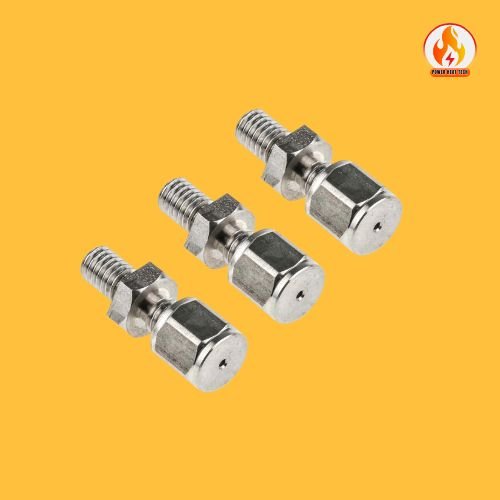
Thermocouple Compression Fitting Type
Introduction to Thermocouple Compression Fittings
Thermocouples are widely used in temperature measurement applications, and the fitting type used can significantly impact their performance. The thermocouple compression fitting type is specifically designed to ensure accurate readings while providing a secure connection. Understanding what these fittings are and how they work is crucial for both engineers and technicians.
What are Thermocouple Compression Fittings?
Thermocouple compression fittings are mechanical connectors that tightly grip a thermocouple probe within a protective sheath. These fittings use a compressive force to create a tight seal, preventing any leaks and allowing for reliable temperature measurements. Typically made from durable materials such as stainless steel, they offer resistance to corrosion and high temperatures, which are essential for maintaining performance in industrial settings.
Advantages of Using Compression Fittings
One of the primary advantages of thermocouple compression fitting types is their ease of installation. They can be quickly fitted onto thermocouple probes without the need for complex tools or equipment. Additionally, these fittings enable the thermocouple to be replaced easily without having to remove the entire assembly, minimizing downtime during maintenance. Moreover, their robust design helps to ensure accurate and stable temperature readings by minimizing thermal losses.