
Ceramic Heaters
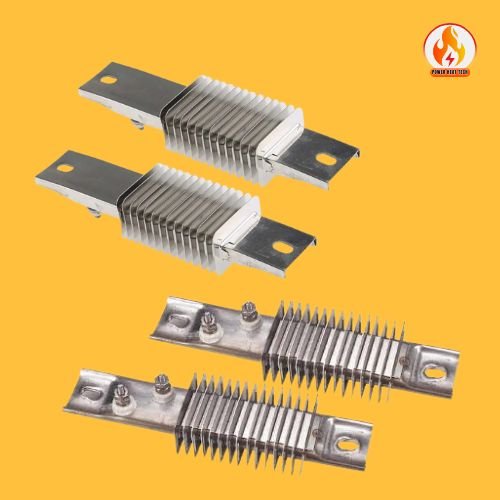
Ceramic Finned Strip Heater
Introduction to Ceramic Finned Strip Heaters
Ceramic finned strip heaters are specialized heating devices utilized in various industrial and commercial applications. They are designed to convert electrical energy into heat, which is then efficiently transferred to the surrounding area or material. Due to their unique construction, these heaters are particularly effective for operations that require consistent temperature regulation.
How Ceramic Finned Strip Heaters Work
The operational mechanism of ceramic finned strip heaters involves a heating element encased within a ceramic structure. This ceramic casing enhances the durability of the heater while ensuring optimal heat retention. The fins attached to the heater amplify the heat dissipation capability, allowing it to efficiently raise air or surface temperatures in a controlled environment. This combination of ceramic material and fin design makes these heaters suitable for applications that demand high heating efficiency.
Benefits of Ceramic Finned Strip Heaters
Ceramic finned strip heaters offer several advantages, including longevity, energy efficiency, and low maintenance requirements. The durable ceramic housing minimizes wear and tear, making them reliable for extended use. Additionally, their energy-efficient design helps in reducing operational costs for businesses, while the maintenance-free aspect ensures minimal downtime. Overall, these heating elements serve as a practical solution for applications in sectors ranging from food processing to pharmaceuticals, where temperature stability is critical.
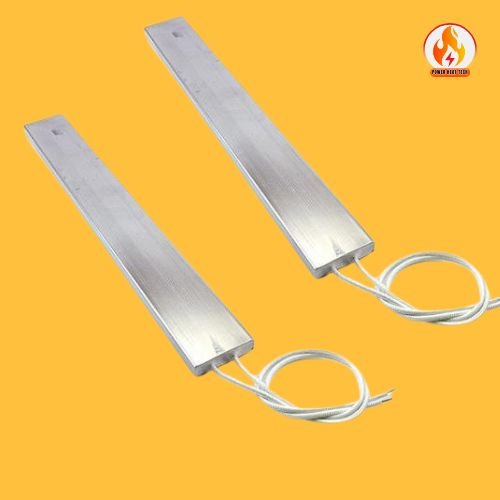
Ceramic Strip Heater
What is a Ceramic Strip Heater?
A ceramic strip heater is a type of heating element that utilizes ceramic materials to produce heat efficiently. Unlike traditional metal heaters, ceramic strip heaters are designed to provide uniform heat distribution while minimizing energy consumption. These heaters are usually used in various industrial applications, including packaging, plastics processing, and food heating.
How Do Ceramic Strip Heaters Work?
Ceramic strip heaters work by utilizing electrical resistance to generate heat. When electricity passes through the conductive material in the heater, it heats up the ceramic, which then radiates this heat outward. The ceramic element’s structure allows for effective thermal conduction and insulates the heat, ensuring that it reaches the desired application efficiently. This technology results in faster heating times and a more controllable heating process.
Applications of Ceramic Strip Heaters
Ceramic strip heaters are widely utilized in numerous sectors due to their versatility and durability. Common applications include heating elements for industrial dryers, ovens, and conveyor systems. They are also prominent in laboratory equipment, ensuring consistent temperatures for various experiments. Their resistance to corrosion and high temperatures makes them ideal for environments that demand robust heating solutions.
In conclusion, ceramic strip heaters present an excellent option for efficient heating in various industrial applications. Their effectiveness, coupled with their energy efficiency, makes them essential in modern heating technology.